



For many of us, watercolor is a simple kind of paint that we became familiar with in primary school. More importantly, it was a kind of paint mostly overshadowed by various pastel paintings or colored pencil sets at that time. However, the works with watercolor show that it deserves to receive more attention. Having a unique spirit, freedom, and softness, watercolor is quite eye-pleasing but at the same time, it is a bit intimidating. So, what should those who want to start watercolor painting pay attention to? We have listed them as 7 tips for you.
1. You don’t need every single color
Choosing paints and deciding which colors you want can seem quite overwhelming, but focus on the colors you need rather than the colors you want. By mixing the colors you have, you can get many different shades. Start with the basic colors: yellow, red, and blue. You can create the secondary and tertiary colors yourself, or you can buy some ready-made sets to create a wide range of colors.
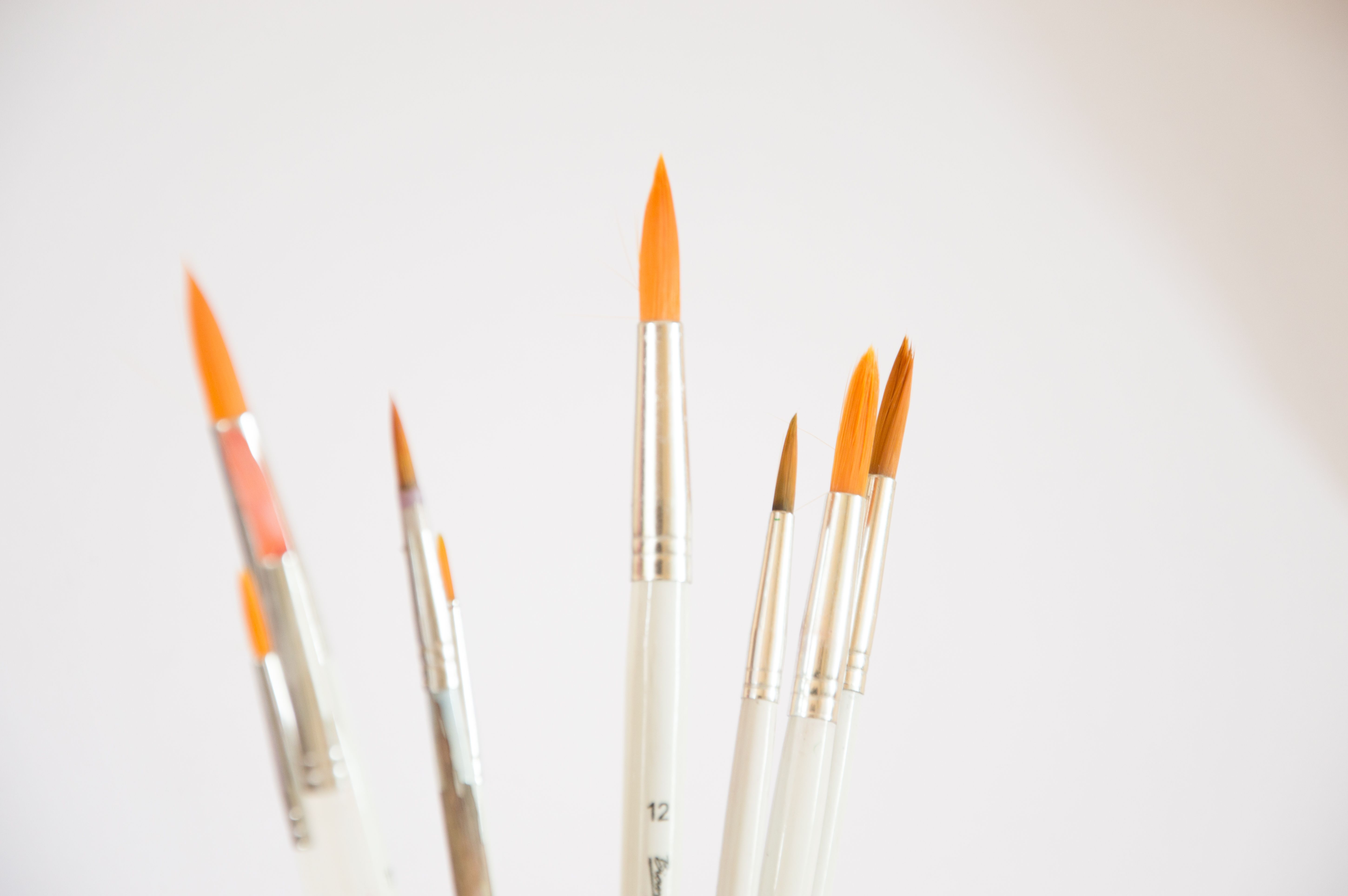
2. All you need is one round brush
With so many different options and brands, brushes look quite attractive, right? However, all you need is one round brush. The tip of the watercolor brushes is pointy, which allows painting without the need for a second brush for details. However, for very fine details, you can choose a small and medium-sized round brush.
3. Choose your paper wisely
Watercolor papers are different. They are heavier, and their surfaces have texture. This is because they are designed to absorb water and allow artists to use water in a controlled way. So, make sure you don’t use regular A4 paper, and buy a cold-pressed watercolor book weighing 300 g/m².

4. Use two cups of water to keep your colors clean
Before you start, you know we need to use water to activate the paints. So keep 2 cups of water with you. Use the first one to activate the color or clear the color you used, and the second one to continue painting with a new color.

5. Get a tissue to wipe the excess water
One of your closest friends is a tissue paper. You can use it to eliminate the excess water when you load your brush with lots of it. It is also very useful for reducing excess water and color on your paper. Lastly, it gives you a chance to correct the mistakes you make on the paper, you can use it as an eraser.
6. Sketch before you start
Draw a sketch before you start painting; this will guide you. You can simply visualize the lights and shadows in the drawing. By doing so, you won’t waste your time or your paper. Once you are sure that your draft has the most basic lines, you are ready to paint.

7. Go explore!
You must go through a trial-and-error process to master your technique. You need to experiment to be able to control the amount of water and colors on your paper. Try the techniques you learn, and see how the color mixes look on your paper. When you think your work is going wrong, explore ways to fix it and observe the results. You will definitely achieve better results over time.

Photo Credit
Featured Image: https://www.pexels.com/photo/assorted-color-watercolors-19680/
Photo 1: https://images.pexels.com/photos/2303797/pexels-photo-2303797.jpeg
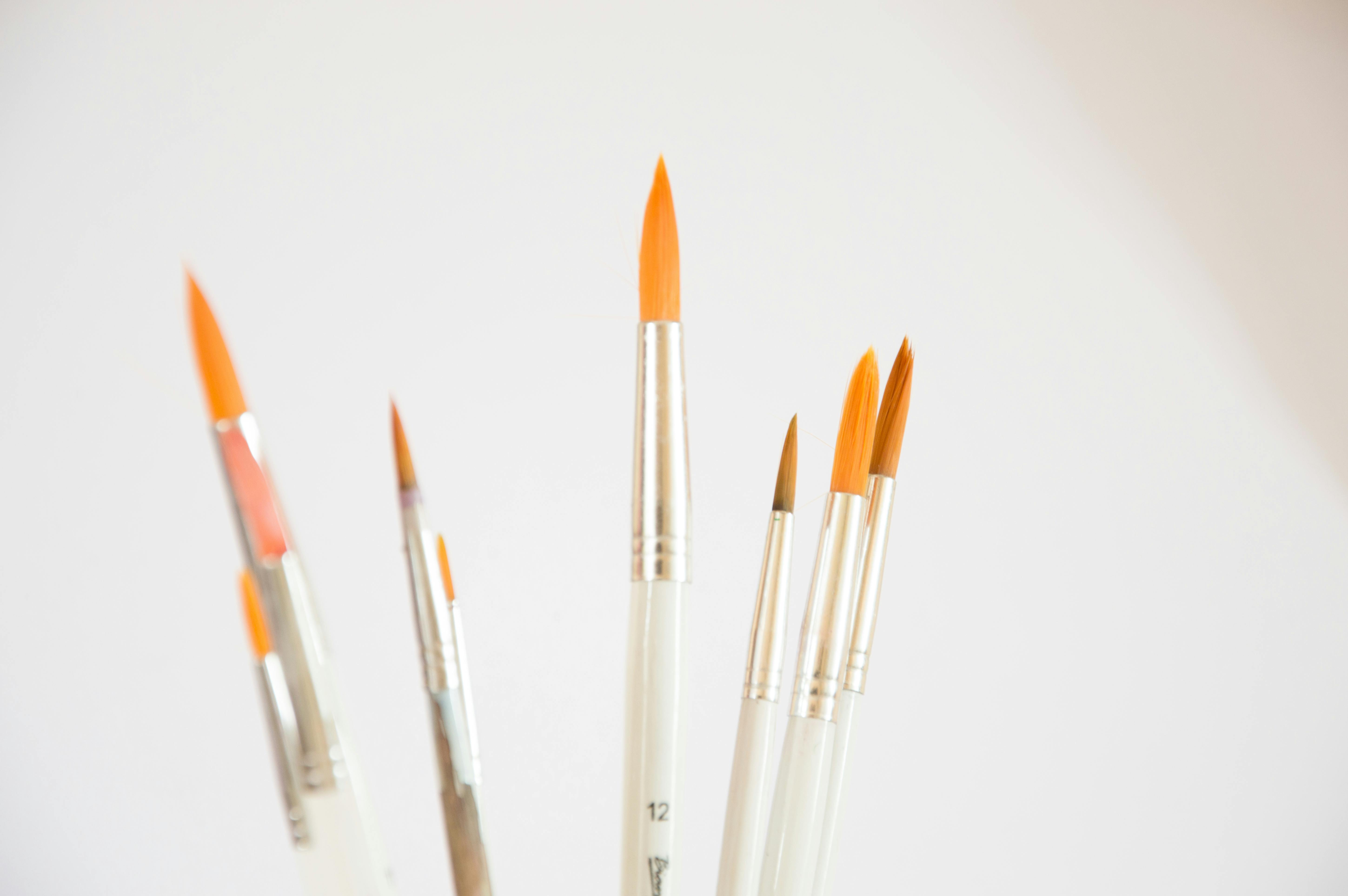
Photo 2: https://www.pexels.com/pt-br/foto/fotografia-de-caderno-de-desenho-em-branco-e-pinceis-1646981/
Photo 3: https://miro.medium.com/v2/resize:fit:720/format:webp/1*A0a8sOX2-r1g8s1E27IKKQ.png
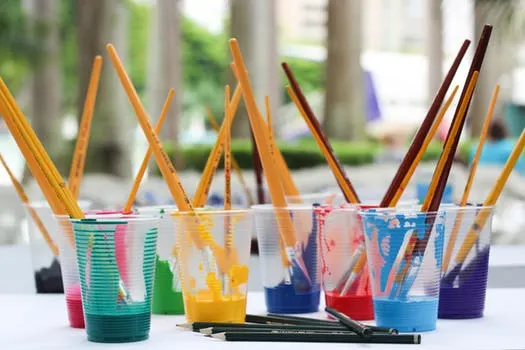
Photo 5: https://www.peakpx.com/en/hd-wallpaper-desktop-vqvvk